What updates did Figma announce at Config 2026 (and what do they mean for design in the CPG industry)?
By Joy, Designer ·
Each year, Figma brings the design community together to show where the tool we use most in our creative workflow is headed. Figma is increasingly the go-to tool for working across all areas and not just web design. At Config 2026, the bet was clear: bringing artificial intelligence directly into the design canvas.
For a mass-consumption or beauty brand (where every project means exploring dozens of packshot, palette, texture, and layout variations before landing on the final version) this has a concrete impact on how we work. Here's what was announced and why it matters.
A single environment to explore more directions.
The most relevant announcement for brand design was Weave: a set of AI image generation and editing tools integrated directly into the canvas. Changing a background, composing a logo over a packshot, adjusting format, transferring the style from one image to another, all of that now lives inside the same design file.
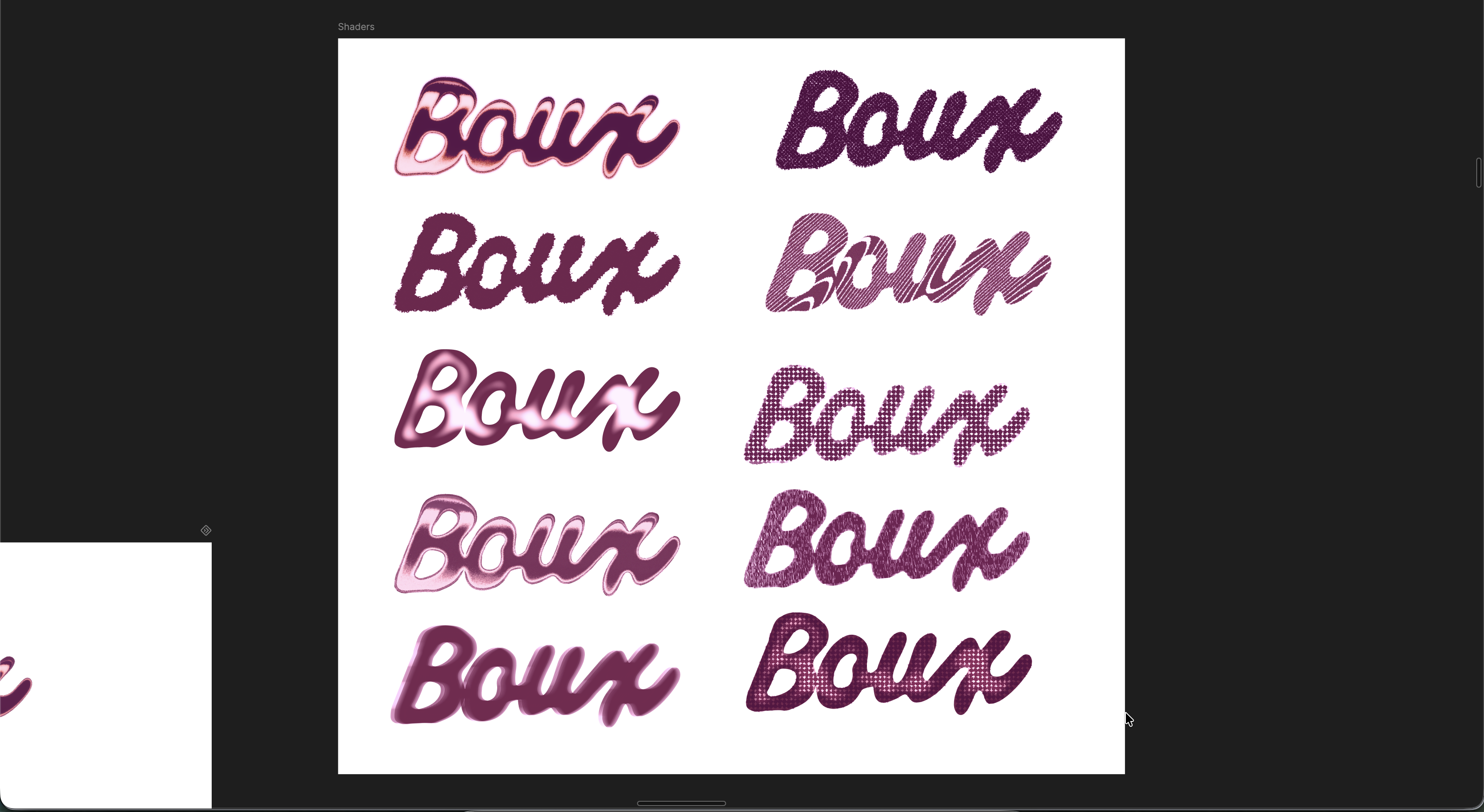
Textures and effects (Shaders applied to branding).
The new shaders generate visual effects (grain, risograph-like textures, light particles) by describing them in words, and they can be reused across projects. For an identity with a strong graphic, retro, or editorial vibe, this adds a consistent texture layer that's within easy reach, leveraging what's already generated in Figma instead of relying on external asset libraries or building them from scratch for every piece. We've spent time figuring out how to achieve this kind of effect in Photoshop, only to export it and import it into Figma afterward.
Animation built into the design file.
With Figma Motion, animating a mockup, a sales deck, or a product piece can be built in the same file, with a timeline and frame-by-frame control. To show a client how packaging moves in a product video, or how a logo comes to life in a campaign intro, this keeps the whole process in one place. What if in the future we show animated labels? Will it impact clients' expectations?
A brand assistant that learns your criteria.
The AI agent seems like the most interesting feature to me, because it points to another skill that, as designers staying on top of AI advances, is essential: prompting. It has countless uses — it'll be a matter of exploring.
What this means for your brand.
Strategic work moves into a more consolidated ecosystem: fewer scattered tools, more time for creative exploration within one flow. For categories like beauty, fragrances, or food and beverage, where visual iteration is constant, a more organized workflow translates into simpler approval processes and more room to test directions before defining the final version.
The value is that we consolidate more possibilities in a single work environment instead of jumping between multiple programs for each stage. That keeps the focus on creative direction and reduces the back-and-forth friction between tools, something essential when a CPG project involves all kinds of explorations happening in parallel.
At CreativeWise, we're already evaluating which of these tools integrate into our brand design process, so we can keep offering the same level of creative care, now with a more compact workflow. Being on the cutting edge of technology also means ongoing training and a learning curve, but we see AI as an increasingly favorable tool for this industry and for our work.