Will Claude design kill designer’s job?
By Ali, Brand & Growth Strategist ·
I’m not a designer. I’m a brand strategist. I spend my days sitting between founders and the designers who build their brands, which means I have a front-row seat to the work, but I’m not the one moving the pixels. During my career I’ve briefed hundreds of design agencies, and how many times did I wish I could do it myself… So when Anthropic launched Claude Design in April, I did what any marketer would do. I opened it. I gave it a brief. I briefed it the way I’d normally brief a creative studio on day one of a project: positioning, audience, competitive set, mood references. Then I watched what came back. This is that review.

The tool is genuinely impressive. Worth saying first.
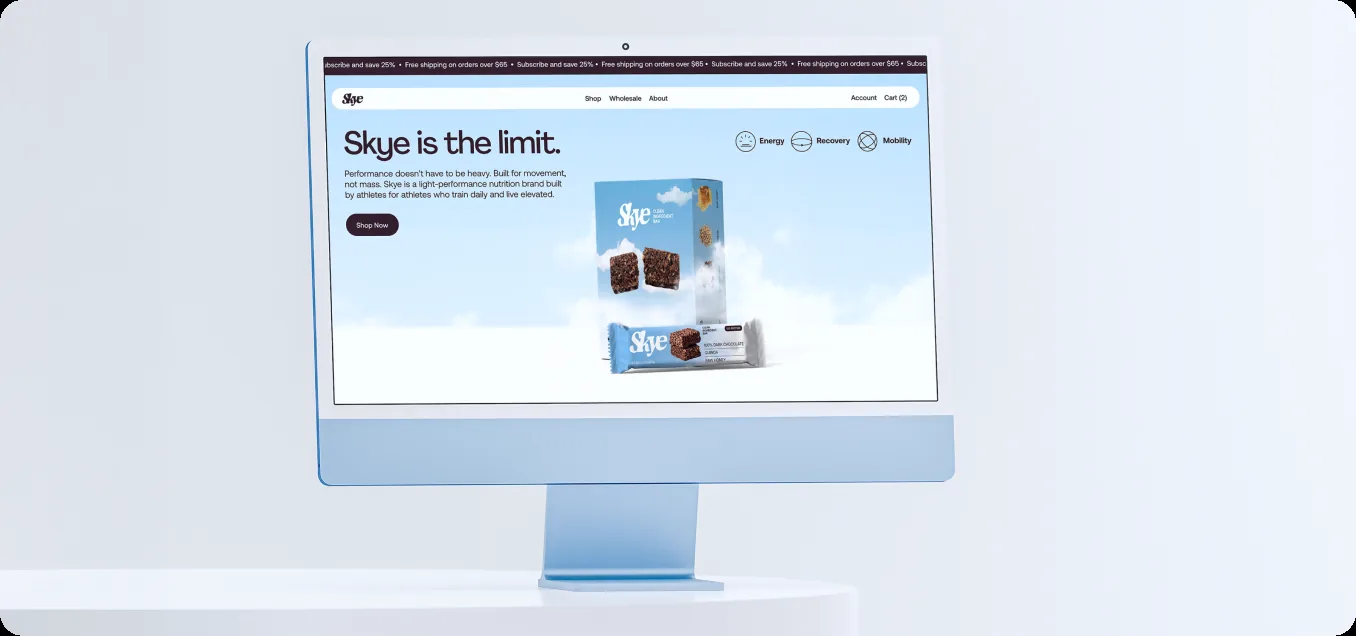
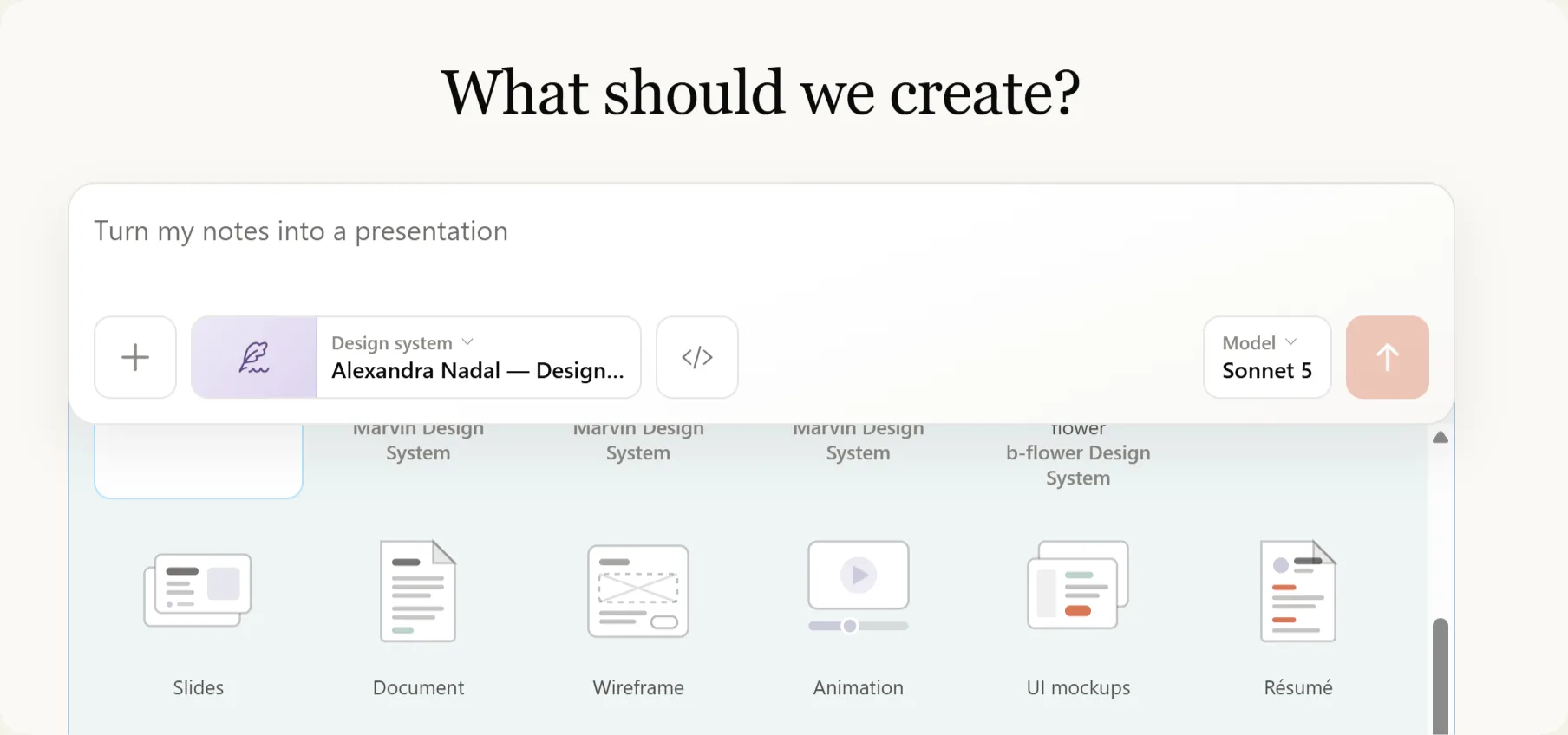
Man, I was shocked. For the first time in my life I felt like the tool finally gave me the hands that I never had. What surprised me wasn’t the speed. I expected the speed. What surprised me was the first round of output, the UI kit system. I gave it a brief for a fictional better-for-you snack brand. Premium, founder-led, $3M ARR, trying to push into Sprouts. I asked for a homepage. Forty seconds later I had a layout that, if I’m being honest, was already great. Clean hierarchy. Decent type. A hero that wasn’t the same gradient blob everyone else has been shipping for two years. I tried it three more times with different briefs. The output stayed consistent. It’s good. Not in the polite “AI is impressive these days” way. In the “this would have taken a junior designer three days” way.
Which is exactly the part I want to talk about.
Most of the work a junior designer does in their first two years is, plainly, the work Claude Design now produces in fifteen minutes. First-draft layouts. Variations on a brief. Resizing assets across formats. The seventeen versions of an Instagram carousel. Cleaning up a deck before a client meeting. Mockups for a feedback round. This was always how juniors learned. It was also how studios staffed projects affordably. That bottom rung of the ladder is now a tool. I don’t love writing that, because I’ve worked alongside junior designers my entire career and the apprenticeship model is one of the few things still functioning in this industry. But there’s no point pretending otherwise to someone deciding whether to enter the field. If a designer’s pitch is “I can do clean execution fast,” Claude Design does it faster, doesn’t take lunch breaks, and doesn’t cost $55k a year. It’s the same shift that hit junior copywriters when ChatGPT got good at first drafts. The bar to enter the profession is significantly higher now. You have to start further up the ladder, which means design schools and agencies need to figure out how to train people into senior judgement faster, because the entry-level work that used to build that judgement is gone.
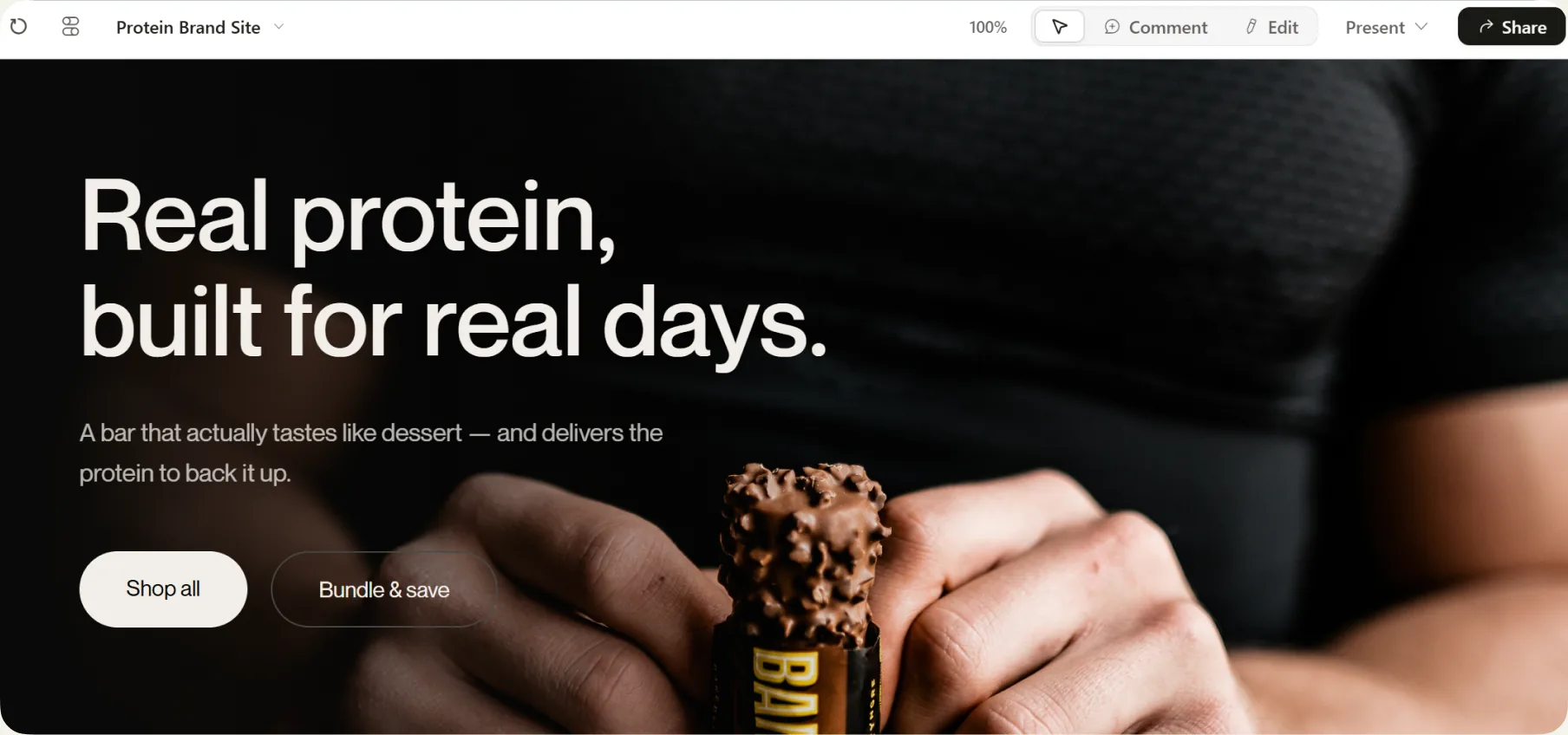
But here’s where I, as a strategist, watched the tool hit a wall.
I gave Claude Design a harder brief. Same fictional snack brand, but this time I told it the brand had real shelf problems. The bag was getting lost between two louder competitors. The buyer at Sprouts had passed on the first pitch. The DTC site was converting at 1.2% on mobile. I asked it to redesign the homepage with that context in mind. The output was, again, beautiful. And, again, completely strategically empty. It did not ask me where the shopper’s eye lands on the shelf. It did not ask which competitor was visually winning and why. It did not ask whether the brand’s hero typography would survive at 320 pixels on the mobile feed where 70% of the traffic lives. It did not flag that the colour palette it generated for the homepage was the same family of greens as the closest shelf competitor. It did not ask about regulatory text, ingredient panel hierarchy, or what the back of the bag has to communicate to a buyer flipping it over in fluorescent light. It just made a homepage. Those questions, the ones it didn’t ask, are the entire job. The decisions a brand needs are not aesthetic. They are strategic. They require sitting across from a founder, asking the boring questions, looking at six months of analytics, walking the aisles in three different supermarkets, knowing what fits on the back of the bottle and how much real estate that eats. They require an opinion. They require having been wrong before and remembering how it felt.
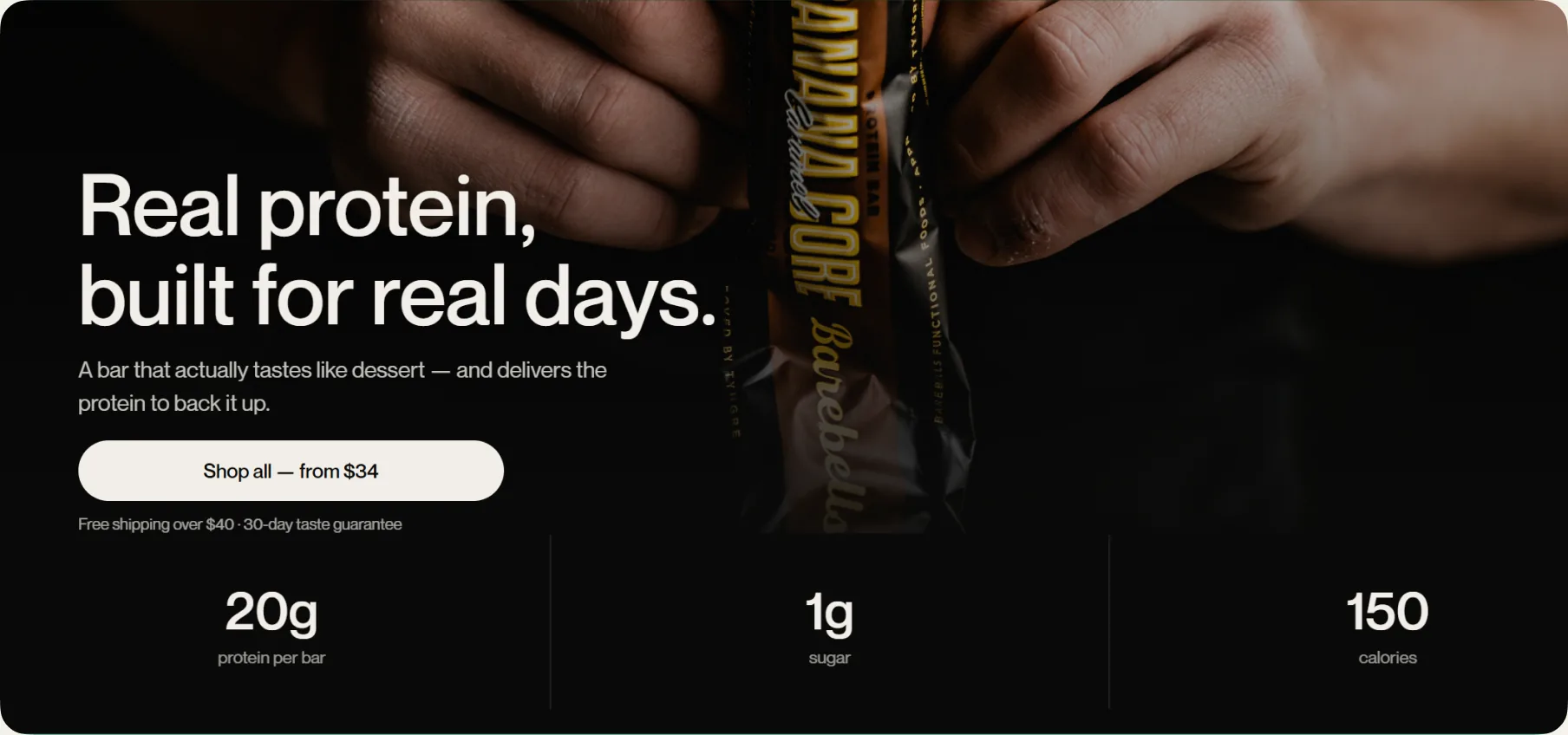
A real CPG site isn’t a landing page. Shopify isn’t a layout.
This is the part founders don’t see until they’re six months in. A working CPG website is a system. Shopify, or Shopify Plus if you’re scaling, with apps for subscriptions, reviews, bundles, inventory sync, abandoned cart, A/B testing, probably a headless setup if you’re ambitious. A backend that talks to Klaviyo, Meta’s catalogue, your 3PL, and your retail buyer’s ordering portal. Product photography that has to work on shelf, on a phone, on an Amazon listing, and on a wholesale order form. Structured data so Google reads your product correctly. Consent banners that don’t tank conversion. Page speed under two seconds, because that’s where the bounce rate cliff is. Claude Design will build you a homepage that looks like a real Shopify site. It will not build you a real Shopify site. You still need a Shopify dev to integrate it. You still need someone who knows the cart drawer needs custom code because the native one is too slow. You still need a designer who has shipped enough sites to know the press strip should sit above the fold on a first visit and disappear on returning sessions. None of that is in the tool. None of it.
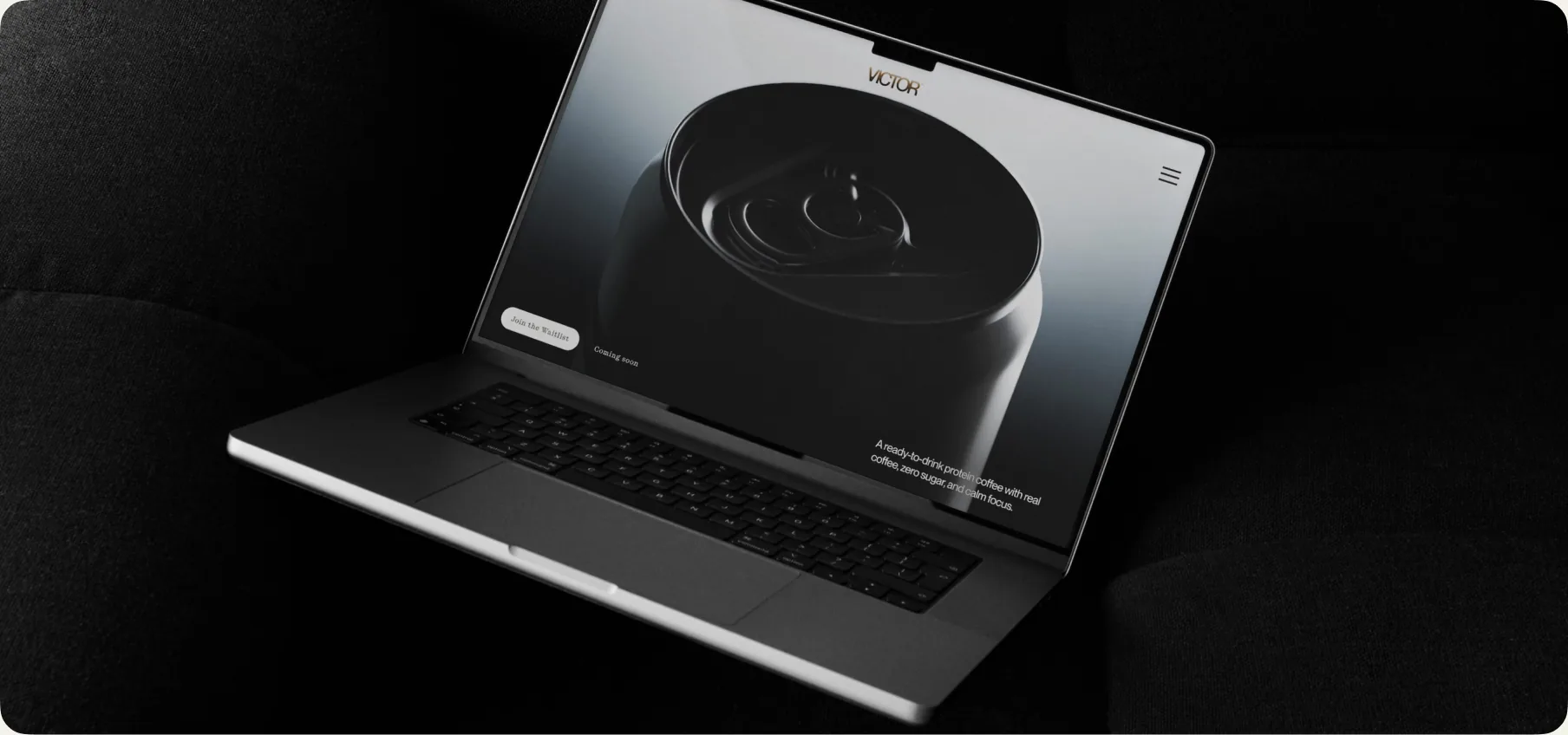
The strategic layer is where senior designers still own everything.
When I brief a senior designer at the start of a project, the first hour is never about design. It’s about where the brand is going to live, who has to notice it in the next eight seconds, and what the buyer at Sprouts is going to say when the pitch deck hits their desk. Where does the CTA go on the product page? Above or below the fold? Above the reviews or below? On mobile, where the thumb actually rests, or where the desktop logic put it? What typography reads from six feet away in fluorescent lighting? Which colour disappears under the warm light of a refrigerated section? How much white space can a bag handle before it looks empty next to a maximalist competitor? Which photo carries the brand across paid social, Amazon, the wholesale catalogue, and the press kit, without needing a different shoot for each one? Claude Design has no opinion on any of those questions. It cannot have one. It has never stood in a supermarket aisle and watched a shopper not pick up a product. A senior designer has. That’s the whole difference.
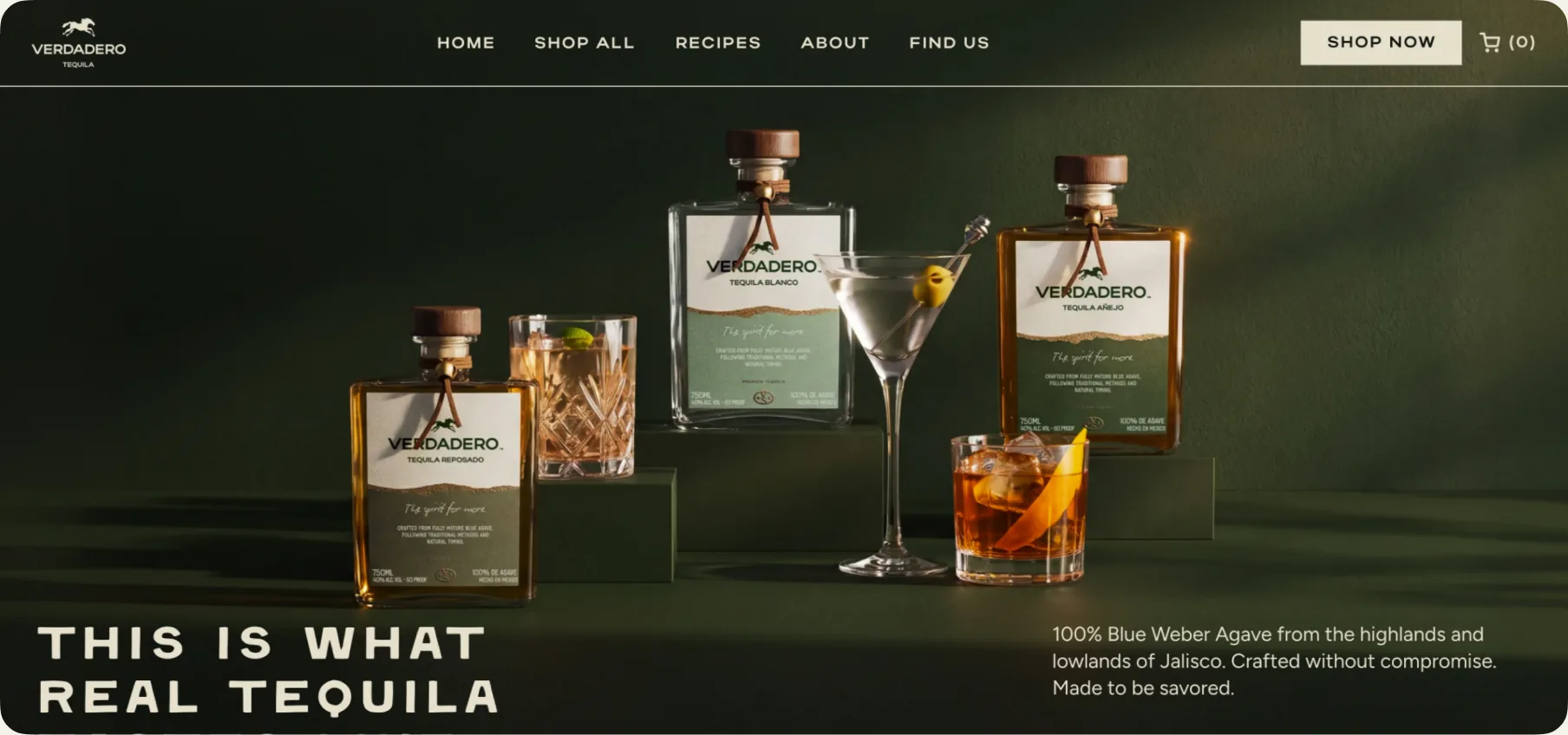
What this means, from where I’m sitting.
The juniors who used to build pixel-perfect mockups for $20 an hour on Upwork are in trouble. I’m sorry. That’s real. The seniors who built a career on being the fastest in Figma are also in trouble, and most of them don’t know it yet. Speed was never the point. Judgement was. If the judgement isn’t sharper than the speed, the tool is going to eat their lunch. The seniors who know why a brand chose the typography it chose, who can walk a retail buyer through a sell-in, who can look at a shelf and tell you in thirty seconds why the third SKU isn’t moving, those people are about to have the best decade of their career. Because every founder who got excited about Claude Design is going to build something themselves, ship it, watch it underperform, and call a senior designer soon. That’s already happening. Our inbox isn’t quieter since April. It’s louder. Claude Design didn’t kill the designer’s job. It killed the part of the designer’s job nobody actually liked doing. What’s left is the part that always mattered.
CreativeWise is a packaging and brand design studio for consumer brands. We build brand worlds, packaging systems, and AI photo campaigns for brands scaling from 3 to 30+ SKUs.